
How to Forecast Your Business Finances Like a Pro
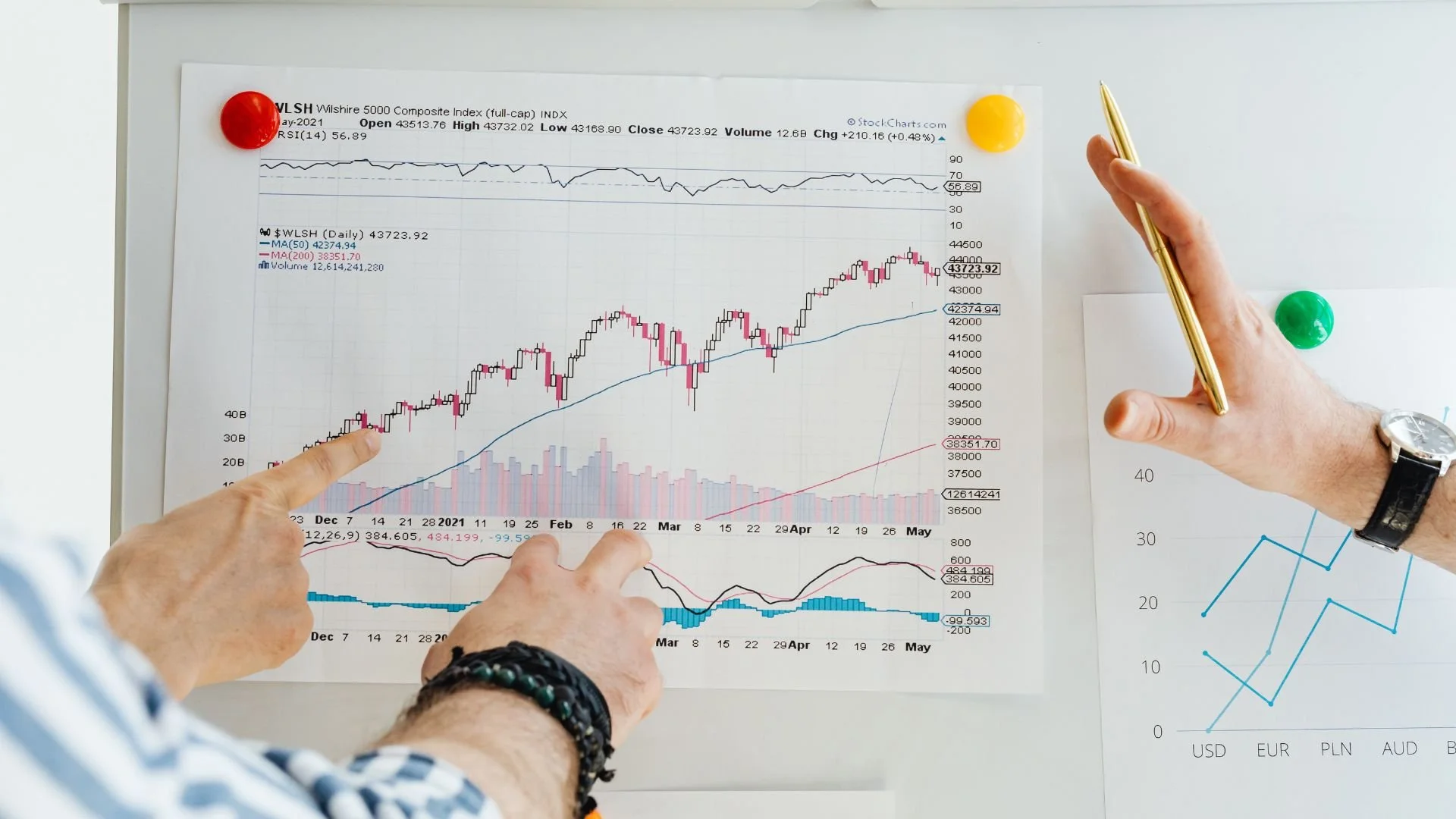
Financial forecasting is one of the most valuable tools a business owner can use, yet it is often overlooked or misunderstood. Many small businesses operate by reacting to what is happening now instead of planning for what is coming next. Forecasting changes that. It gives you a clearer view of future cash needs, growth opportunities, and potential risks before they become urgent problems.
Learning how to forecast your business finances does not require complex models or advanced accounting knowledge. With accurate records and a structured approach, you can build forecasts that support better decisions and long-term stability.
What Financial Forecasting Really Is
A financial forecast is an estimate of future income, expenses, and cash flow based on historical data and expected changes. Unlike a budget, which sets spending limits, a forecast adapts as new information becomes available.
Forecasts help answer questions such as:
Will I have enough cash to cover expenses in three months?
Can I afford to hire or invest in new equipment?
How will seasonal changes affect revenue?
What happens if sales slow down?
Reliable forecasting starts with accurate bookkeeping. If your historical data is incomplete or inconsistent, forecasts will be unreliable. This is why strong financial reporting is the foundation of effective forecasting.
Start With Clean and Current Financial Data
Before building a forecast, review your current financial statements. At a minimum, you should have:
A profit and loss statement
A balance sheet
A cash flow statement
These reports show where your business stands today and provide the baseline for projections. If you are unsure how to prepare reports for professional review, How Do I Generate Tax Reports for My Accountant? Quick & Easy Guide explains the process clearly.
Forecasting without clean data often leads to overconfidence or unnecessary caution. Accuracy matters more than complexity.
Forecast Revenue Conservatively
Revenue forecasting should be realistic and grounded in past performance. Start by reviewing income trends over the last 12 to 24 months. Look for patterns such as seasonality, growth rates, or fluctuations tied to specific events.
Avoid assuming best-case scenarios. Conservative estimates reduce risk and make it easier to manage cash flow if revenue falls short. If your business is growing, gradual increases based on historical trends are more reliable than sharp jumps based on optimism.
Anticipate Fixed and Variable Expenses
Expenses typically fall into two categories:
Fixed expenses, such as rent, insurance, and subscriptions
Variable expenses, such as inventory, marketing, and contractor costs
Fixed expenses are easier to forecast because they remain consistent. Variable expenses require closer review and may change as revenue changes. Reviewing expense categories regularly helps identify costs that may increase or decrease in the future.
Professional fees are often overlooked in forecasts, even though they are predictable and deductible.
Build a Cash Flow Forecast, Not Just a Profit Forecast
Many businesses focus only on profit forecasts and ignore cash flow. This is a common mistake. A profitable business can still experience cash shortages if income is delayed or expenses are due before payments arrive.
A cash flow forecast tracks when money is expected to come in and when it must go out. This helps identify periods where cash may be tight and allows time to plan ahead.
The U.S. Small Business Administration explains the importance of cash flow forecasting.
Account for Taxes and Estimated Payments
Taxes are a major cash outflow that should always be included in forecasts. Many businesses struggle because tax payments are not planned for throughout the year.
Include:
Estimated income tax payments
Payroll tax obligations
Sales or use taxes, if applicable
Forecasting taxes helps prevent last-minute cash shortages and penalties. It also supports better decision-making when income fluctuates.
Adjust Forecasts Regularly
A forecast is not a one-time exercise. It should be reviewed and updated regularly as new information becomes available. Monthly updates are ideal for most small businesses.
Regular updates help you:
Respond quickly to changes in revenue
Adjust spending before problems escalate
Identify new opportunities earlier
Forecasting becomes more accurate over time as you refine assumptions and learn how your business behaves.
Use Forecasts to Evaluate Decisions
One of the biggest benefits of forecasting is the ability to test decisions before committing. For example:
What happens to cash flow if you hire a new employee?
Can you afford new software or equipment?
How would a slow quarter affect reserves?
Forecasting allows you to model scenarios and make informed choices. This is especially valuable during periods of growth or uncertainty.
Separate Business and Personal Finances
Clear separation between business and personal finances improves forecasting accuracy. When accounts are mixed, it becomes difficult to identify true operating costs and available cash.
Separate accounts also support cleaner reporting and easier tax preparation. Structured financial systems are especially important for organizations with specific reporting requirements. See more about accounting and bookkeeping for insight into disciplined financial management.
Understand How Your Business Structure Affects Forecasting
Different business structures have different tax obligations, cash flow patterns, and reporting needs. Understanding these differences improves forecast accuracy.
For example, nonprofit and for-profit organizations forecast differently due to funding sources and restrictions. Nonprofit Accounting vs. For-Profit: Key Differences Explained provides helpful context.
